

NAŠE ŠKOLY
FAMO v Písku
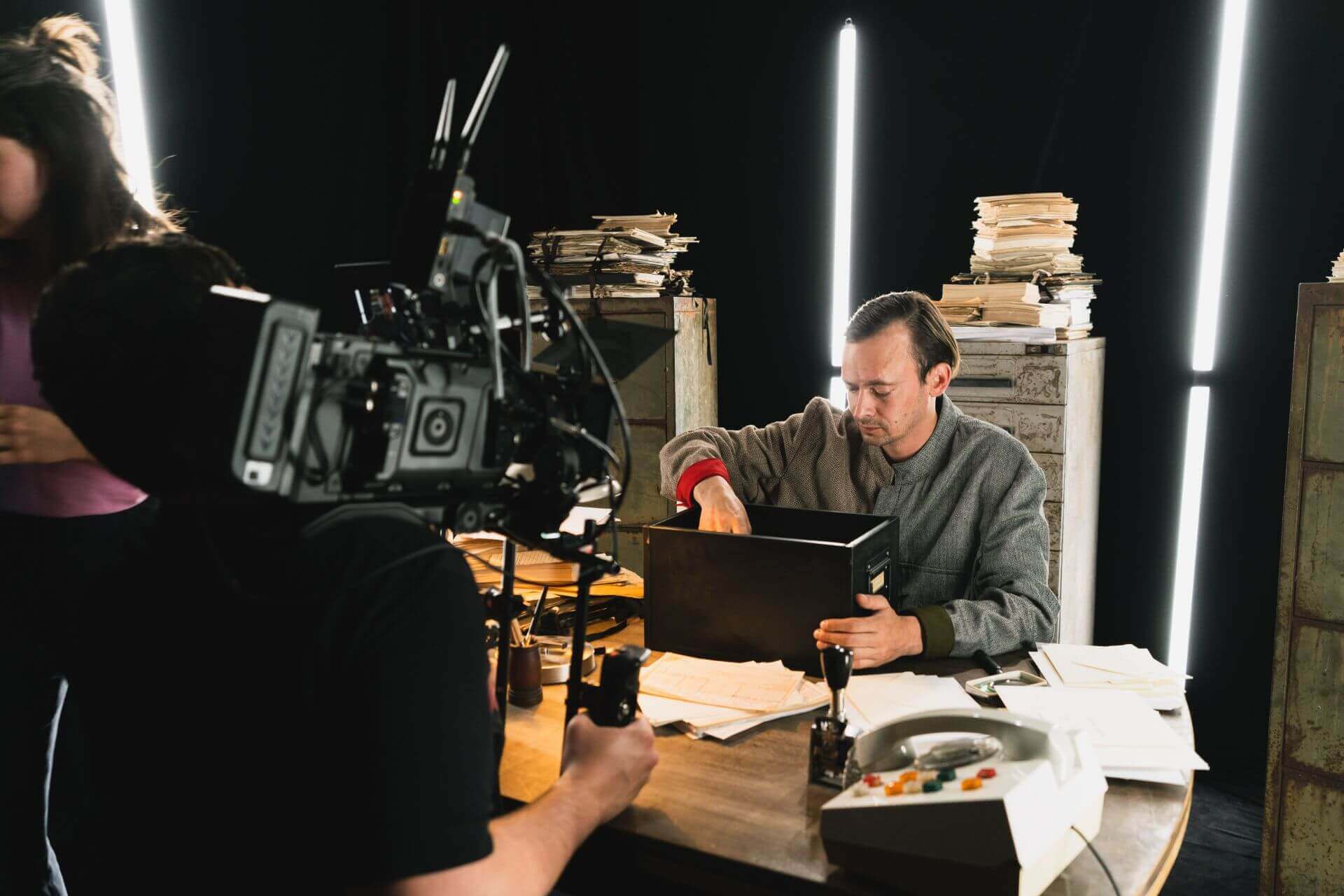
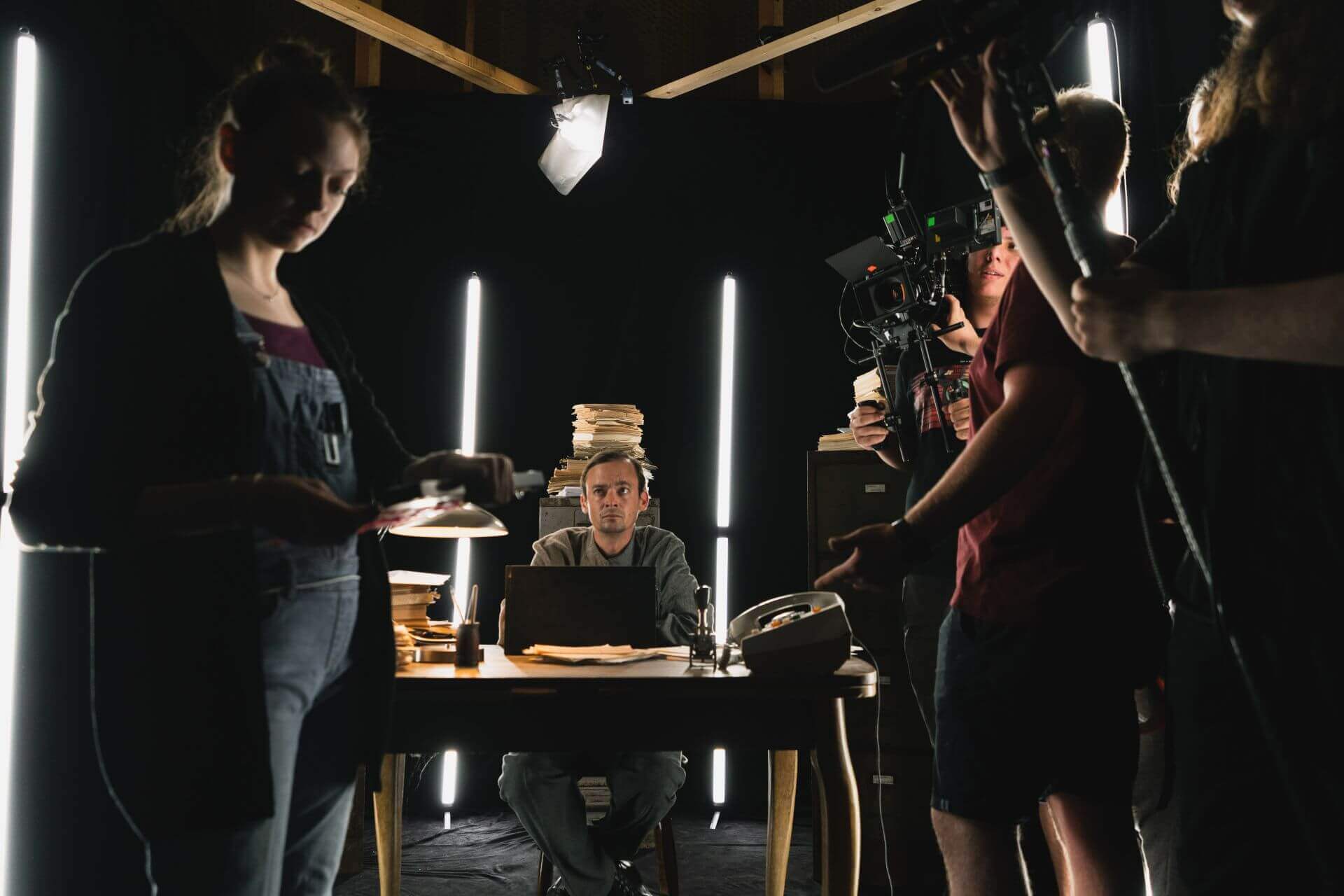
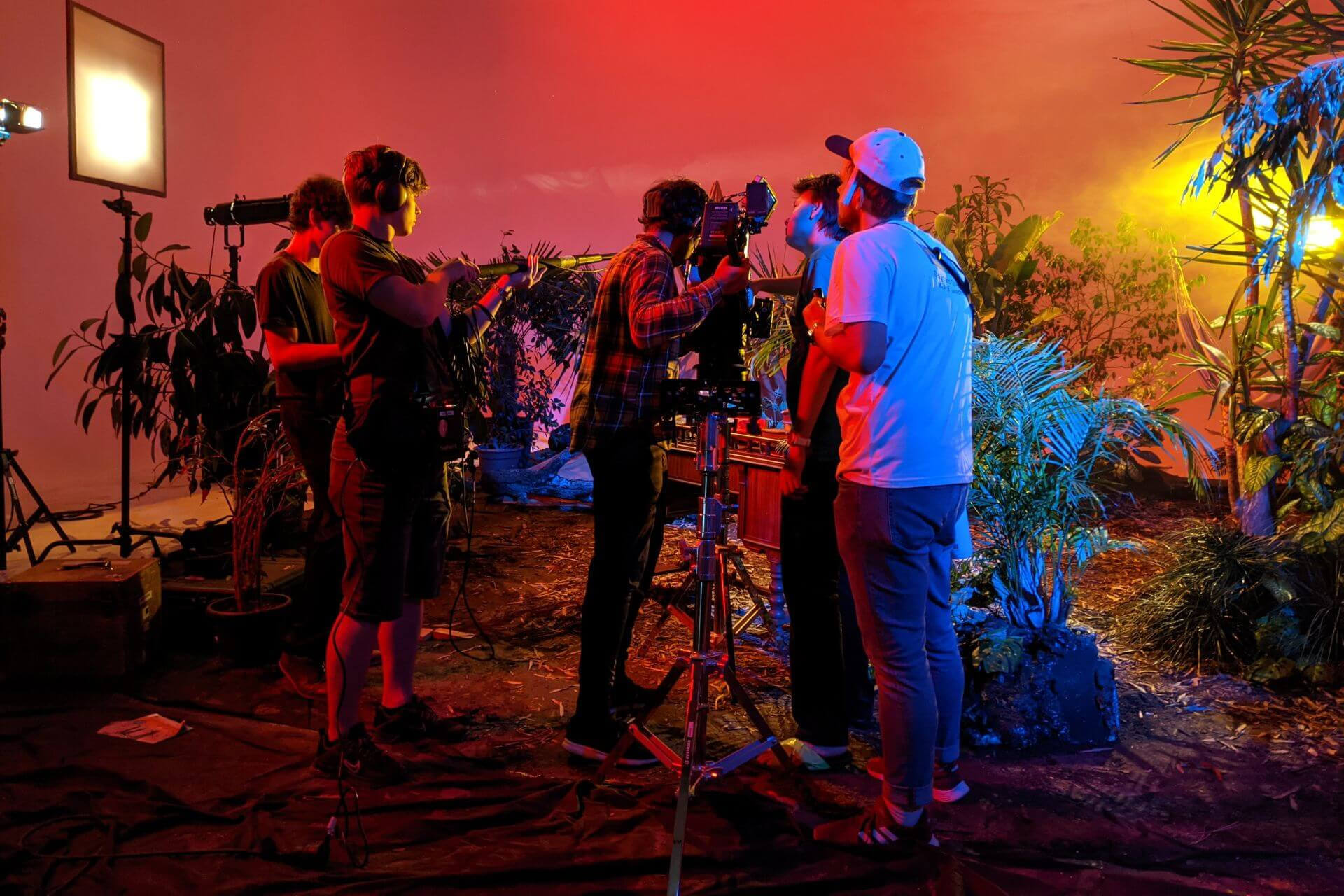
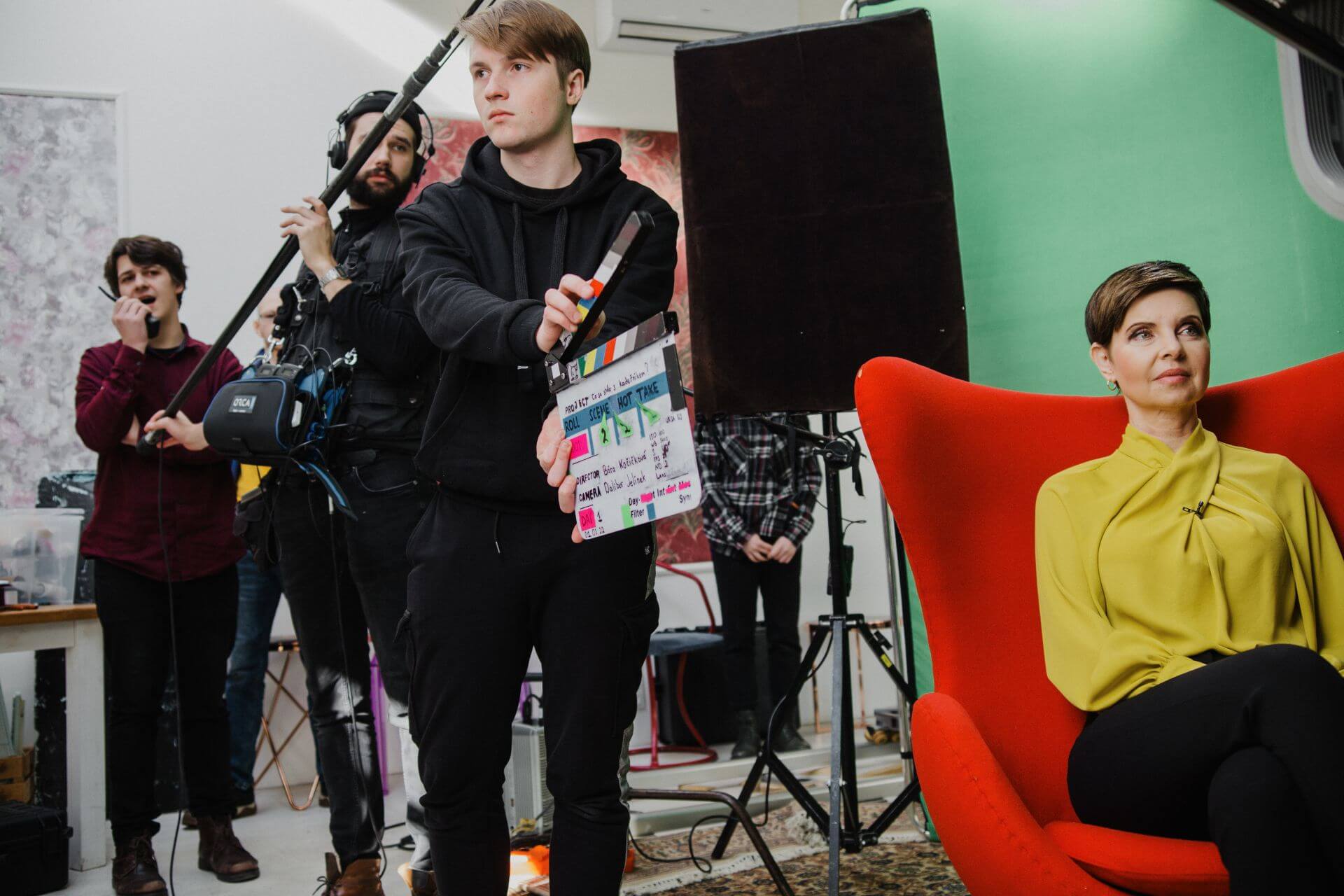
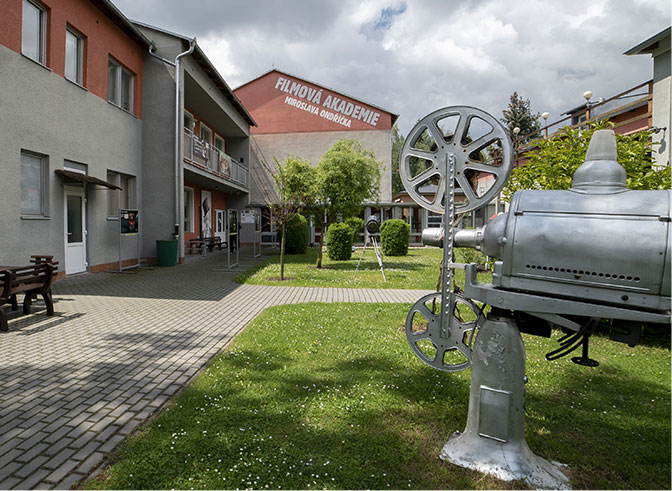
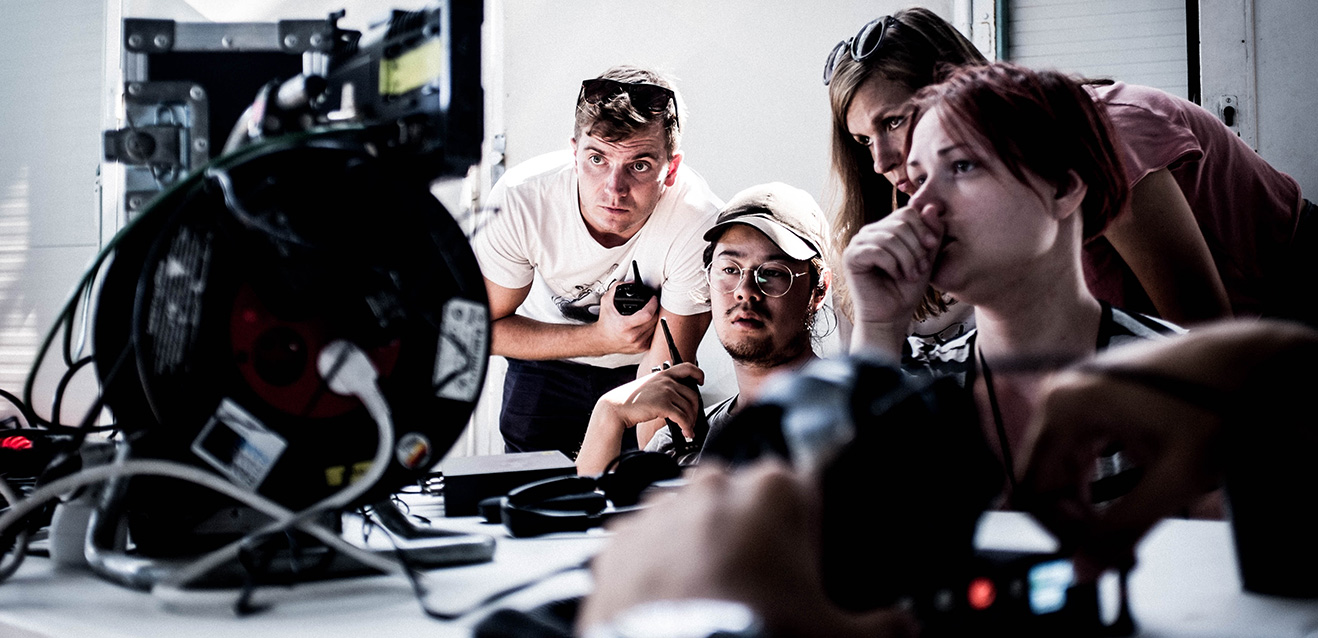
Filmová akademie Miroslava Ondříčka v Písku je soukromou vysokou uměleckou školou s bakalářským a navazujícím magisterským studijním programem. Vznikla v roce 2004 vedle stávající Soukromé vyšší odborné školy filmové. Její jedinečnou předností je individuální přístup pedagogů ke studentům. V týmu pedagogů jsou renomovaní filmoví a televizní tvůrci – mnozí z nich jsou držitelé prestižních cen.
SVOŠF
Soukromou vyšší odbornou školu filmovou založili v roce 1996 manželé Vladana a Miloň Terčovi jako pokračování podobně koncipované školy ve Zlíně, na jejímž zrodu se oba podíleli. Škola je zařazena do sítě škol MŠMT ČR a nabízí tříleté vyšší odborné studium, jehož absolventi získají odborné znalosti a titul DiS. – Diplomovaný specialista v oboru Multimediální tvorba. Spolupráce s předními filmaři a televizními pracovníky je velkou předností školy.

O FILMOVCE
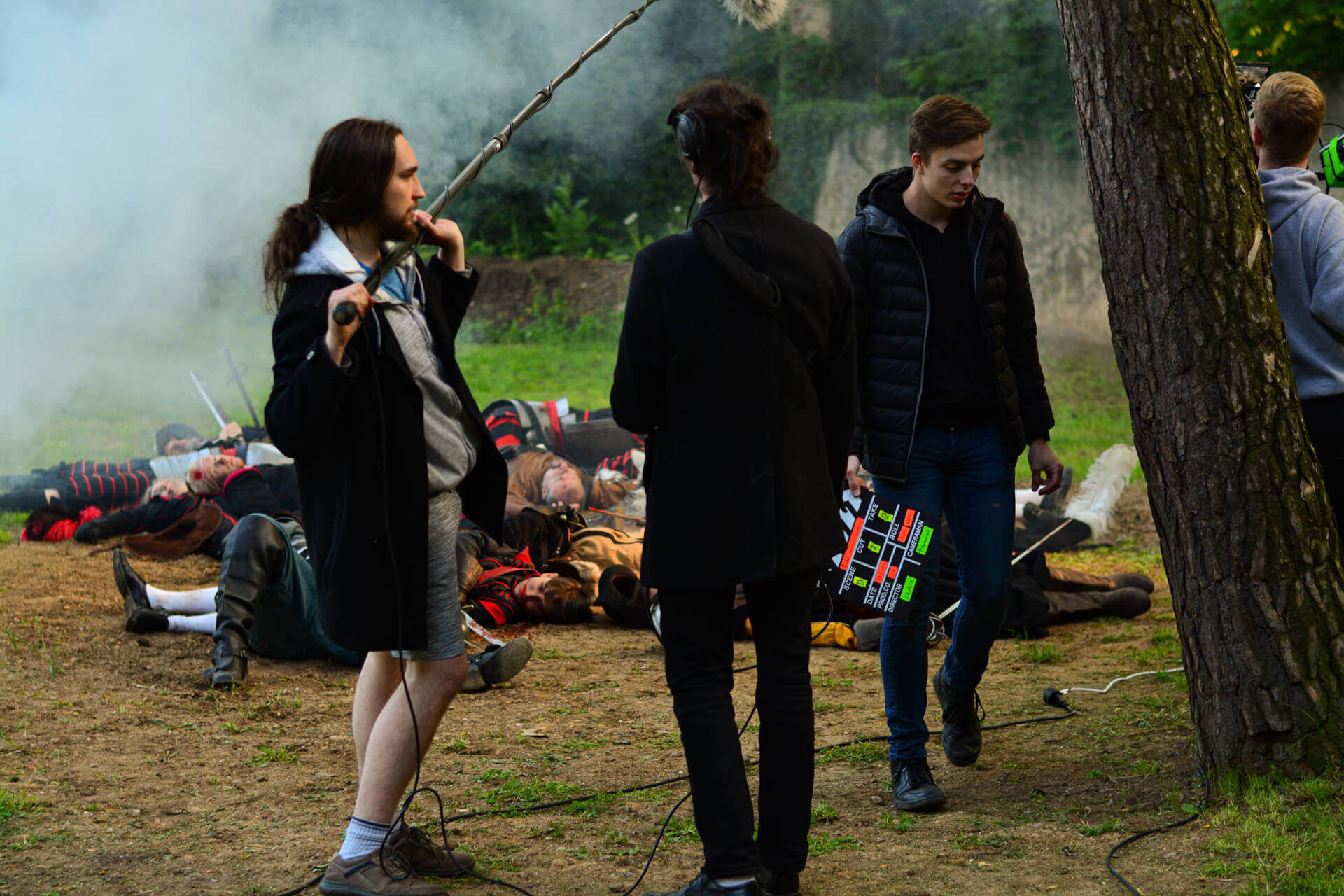
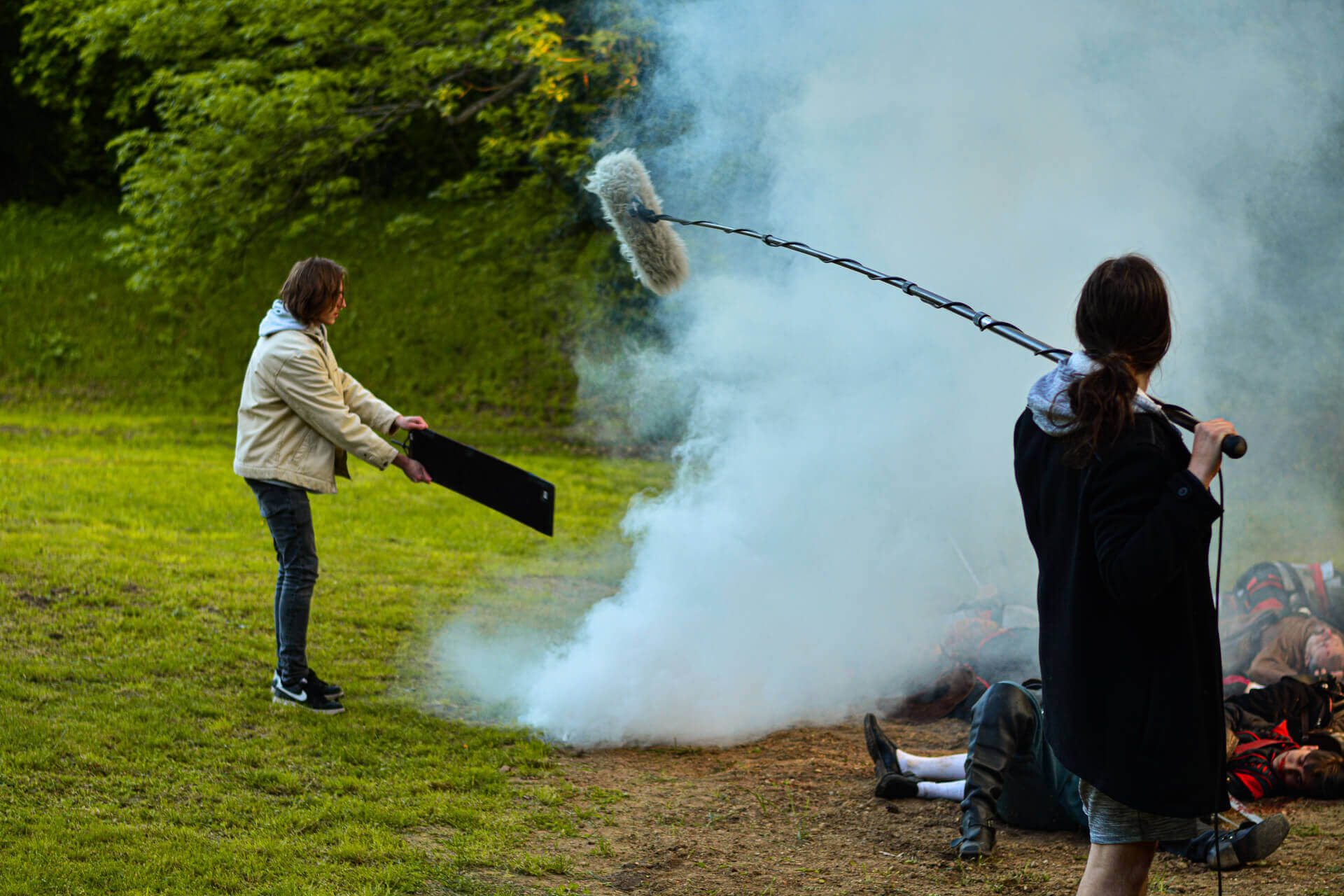
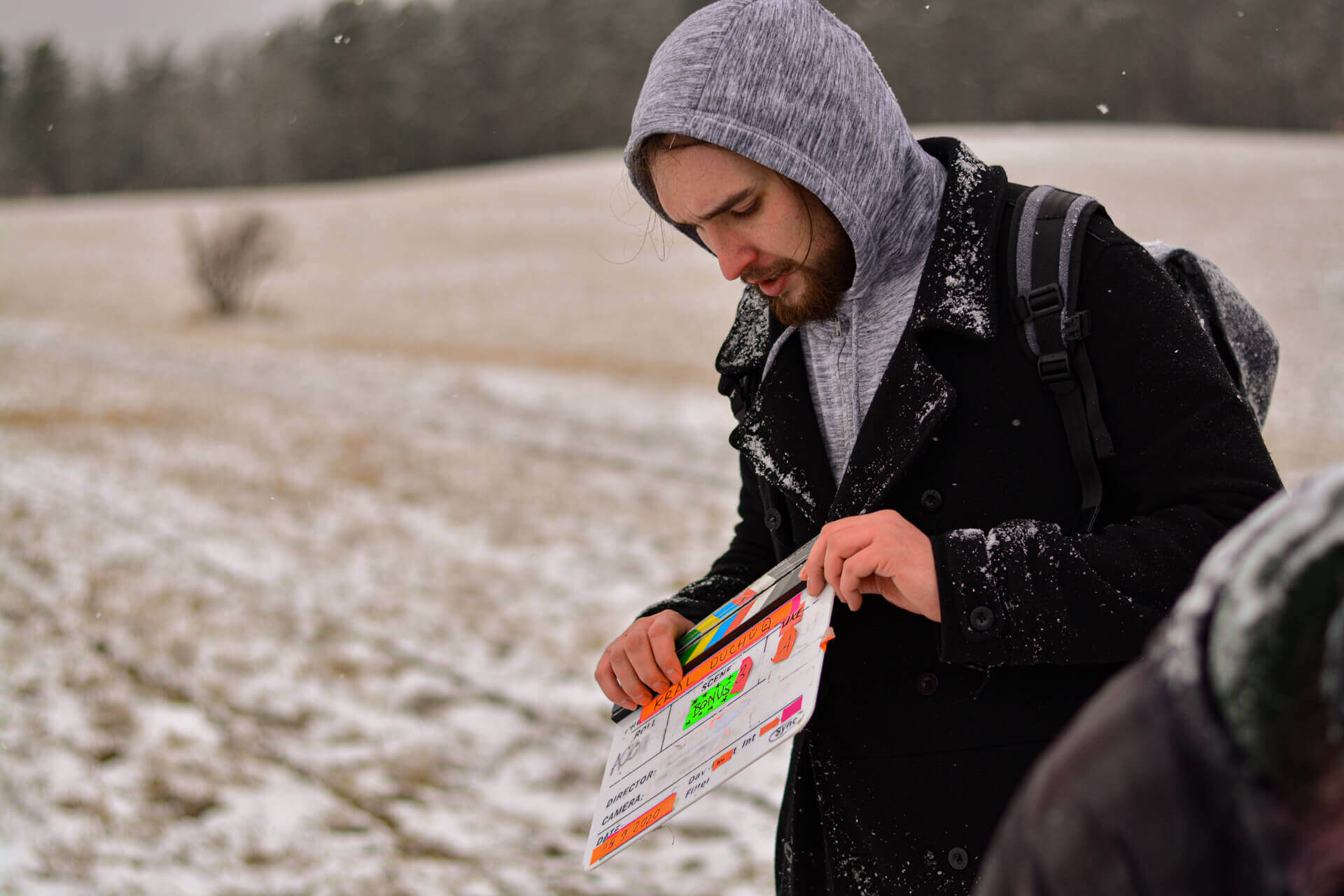
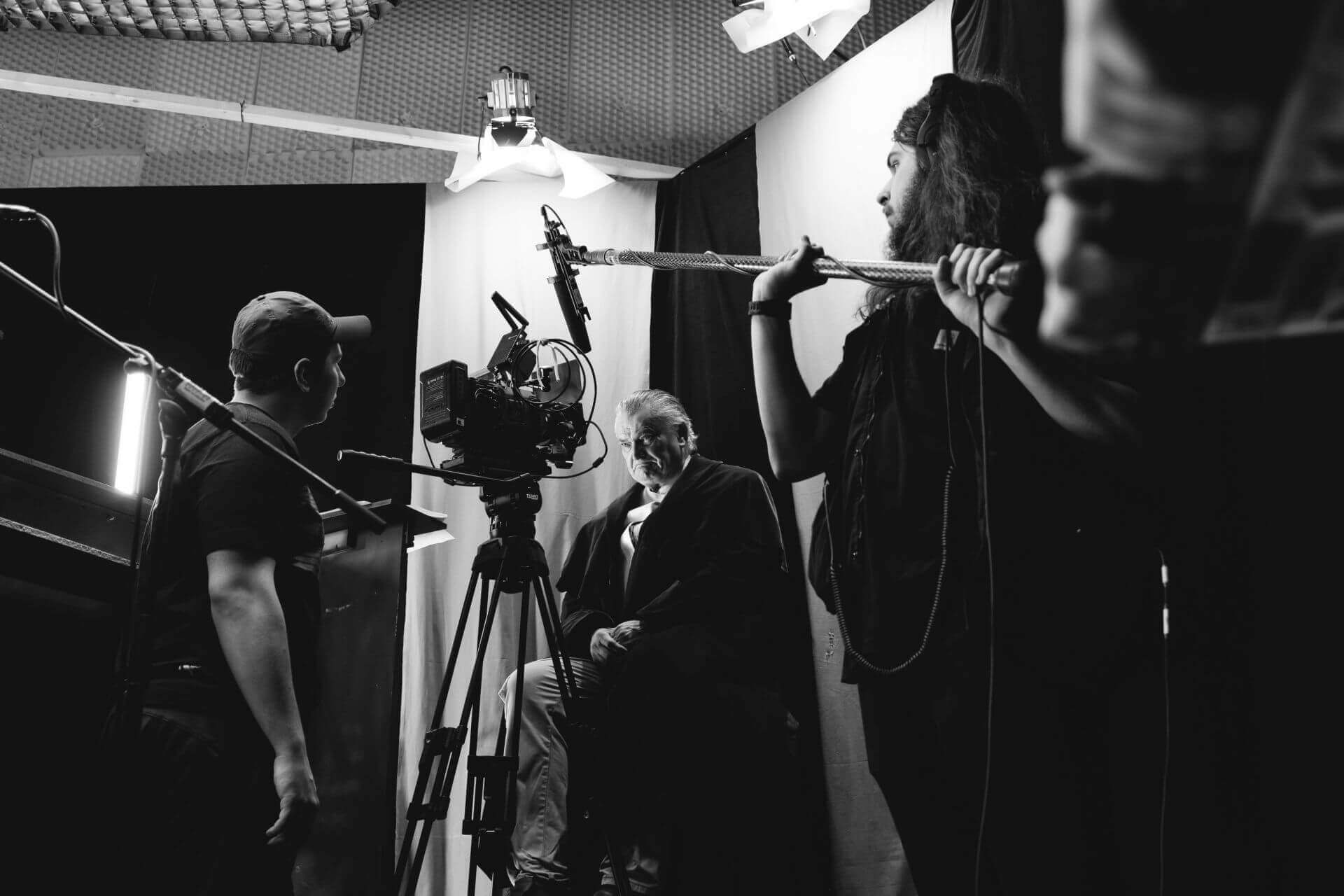
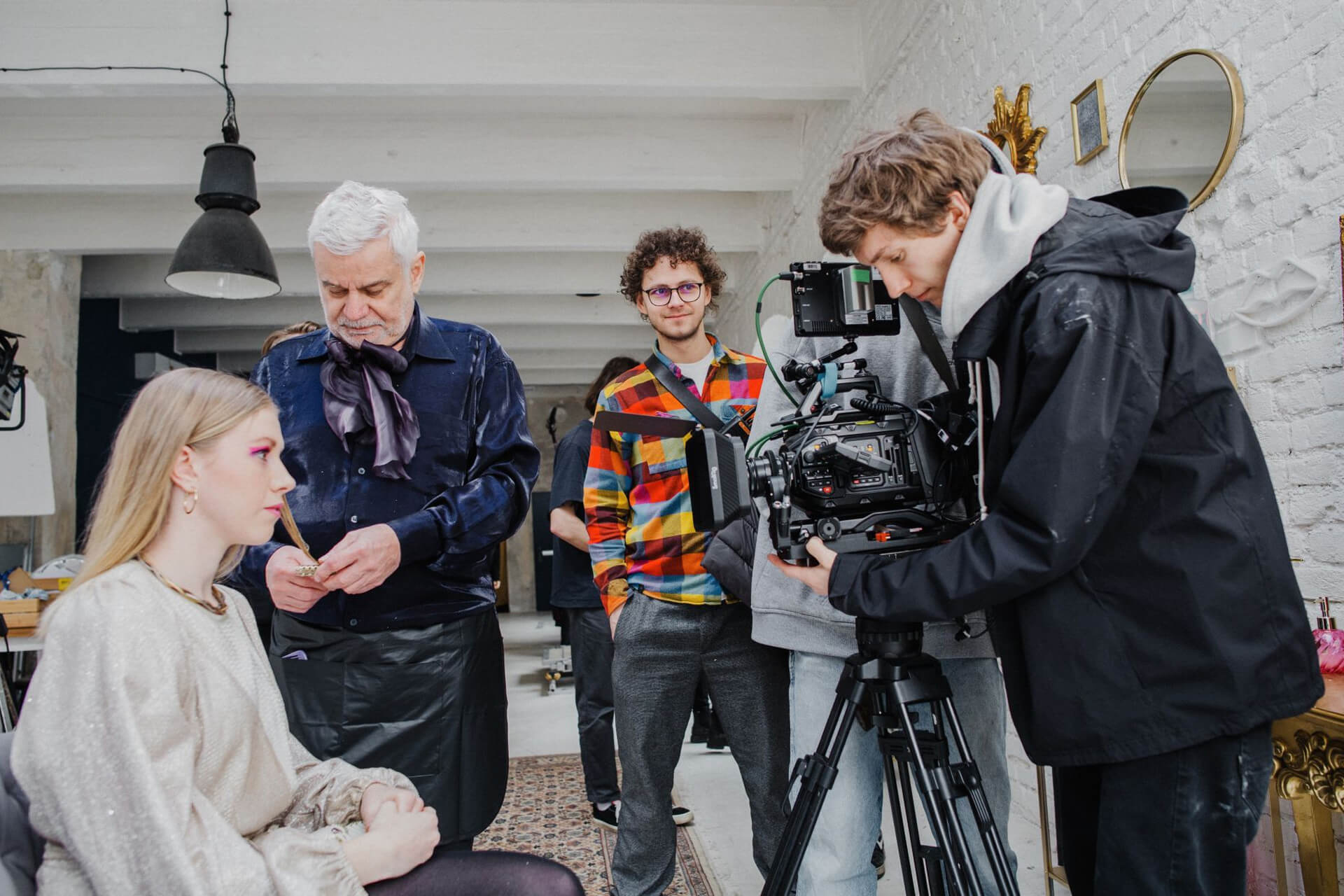
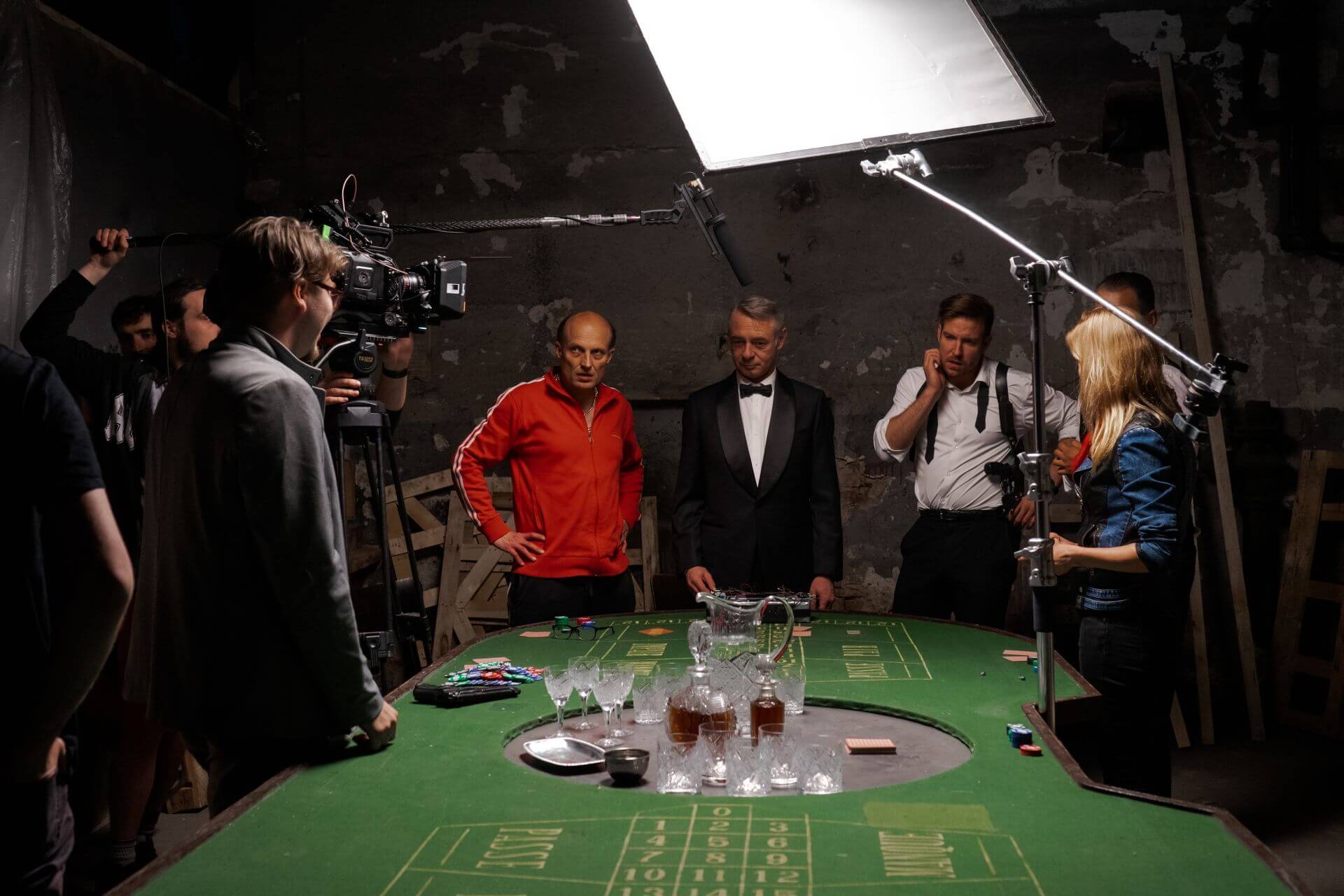
Filmové školy Písek nabízejí možnost bakalářského, navazujícího magisterského, ale i vyššího odborného studia v multimediálních oborech. Přidej se do našeho týmu společně se známými umělci a špičkovou audiovizuální technikou. Nabídkou ti mohou být studijní zaměření režie, dokument, kamera, střih, zvuk, produkce, vizuální efekty & klasická animace, dramaturgie, scenáristika.
AKTUALITY
Absolventský animovaný film Plevel Poly Kazak bude mít světovou premiéru na Festival de Cannes v sekci La Cinef. Film realizovaný technikou malby na sklo bude jediným českým zástupcem v oficiálním výběru nejslavnějšího filmového festivalu světa!
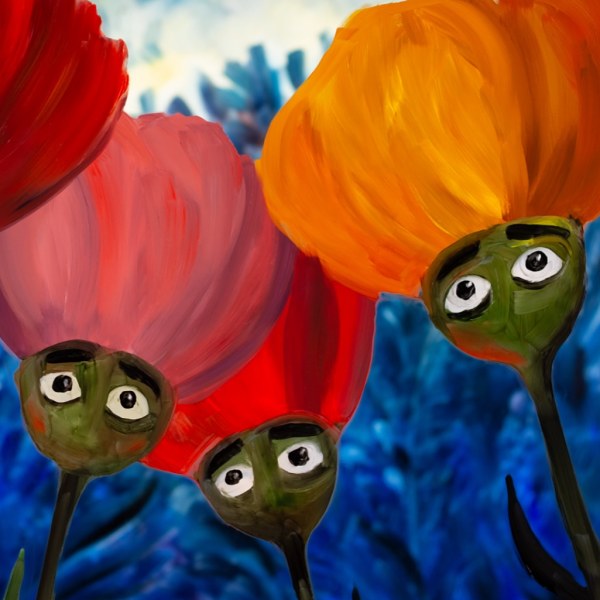
Snímek „Time to die“ režiséra Adama Kůse získal čestné uznání s postupem na postupové přehlídce České vize Praha 2024 v kategorii studentský film.

Jsme moc rádi, že po čase můžeme na půdě Píseckých filmových škol opět přivítat Steva Lichtaga, filmového producenta a režiséra, scénáristu a spisovatele, který se filmu věnuje přes 30 let. Jeho tvorba zahrnuje jak hrané, tak dokumentární filmy – převážně s tématikou moří a oceánů.

ÚŘEDNÍ DESKY FAMO V PÍSKU | SVOŠF
Vše důležité o studiu a informace o škole najdete zde


ŽIVOT V PÍSKU
HISTORIE
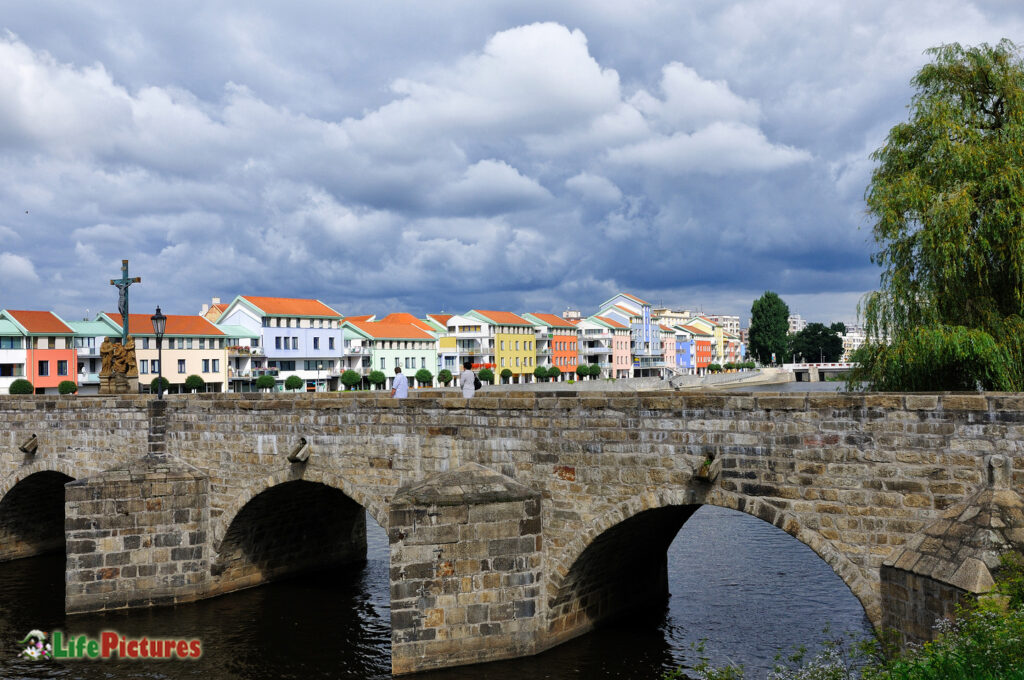
Na břehu řeky Otavy založili čeští králové v polovině 13. století hrad a město Písek. Díky těžbě zlata i čilému obchodnímu ruchu město rychle vyrostlo a těšilo se přízni panovníků Přemysla Otakara II. , Karla IV. a Václava IV., kteří zde bývali častými hosty. Od 14. století byl Písek centrem rozsáhlého kraje, který se nazýval Prácheňský. V první polovině 15. století hrálo město důležitou úlohu mezi obránci kalicha. Počátek třicetileté války znamenal pro Písek katastrofu. Byl třikrát dobýván a pokaždé dobyt, naposledy 30. září 1620, kdy ho císařští vojáci zcela zničili a obyvatelstvo z velké části zahynulo. Od 19. století město zcela mění svou tvář – vystupuje z hradeb, na předměstích vyrůstají celé ulice nájemních domů, na radnici vítězí čeština, vznikají kulturní instituce a spolky a Písek je nazýván městem škol a studentů i Mekkou houslistů. Stává se též – jako město v moři lesů – vyhledávaným letoviskem a oblíbeným cílem turistů. Historické centrum Písku je nyní vyhlášeno městskou památkovou zónou.
KULTURA
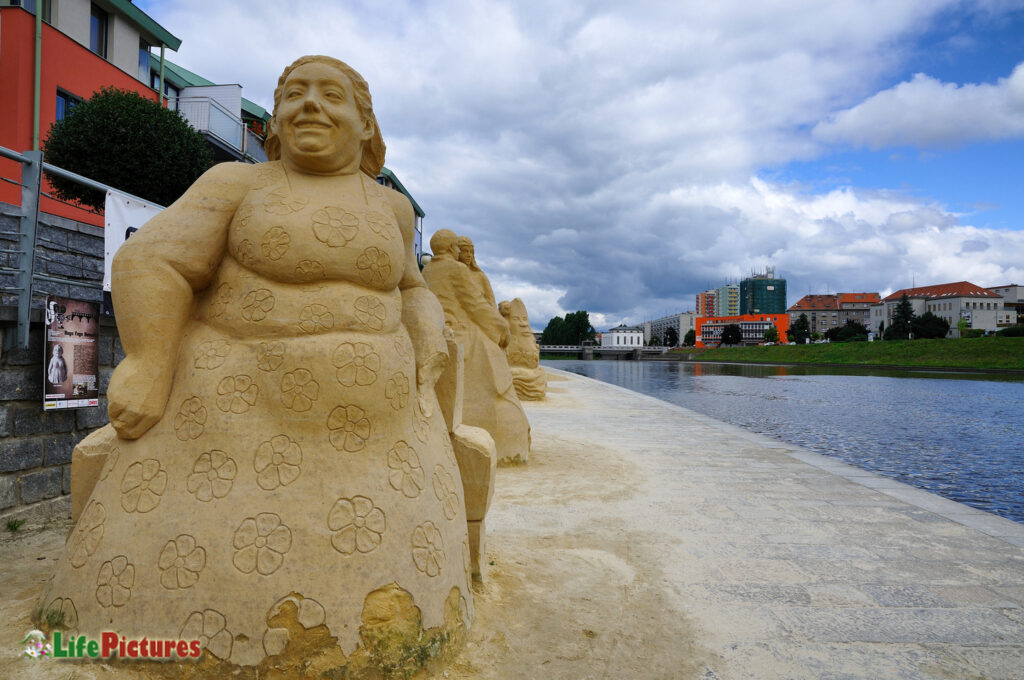
Bohatá kulturní tradice města výrazně ovlivnila i jeho současnost. V městě se konají mezinárodní festivaly – například folklorní, filmový, festival mažoretek. Zajíždějí sem přední české divadelní soubory, působí zde Písecký komorní orchestr. Po rozsáhlé rekonstrukci je historická budova sladovny, která se tak stává významným kulturním stánkem města. Kromě expozice věnované ilustraci pro děti se zde nachází stálá výstava díla Radka Pilaře, expozice věnovaná animovanému filmu a mnoho dalších. Ve Sladovně se pořád něco děje!
CENTRUM KULTURY MĚSTA PÍSEK
Programy kin, divadel, kulturních akcí:

DOPRAVA
Škola je situována 2 minuty chůze od autobusového a 5 minut od vlakového nádraží. Parkování je možné v okolních ulicích.

UBYTOVÁNÍ
Škola bohužel neposkytuje ubytování. Studentům je k dispozici např. Hotel Pod Skalou a další ubytovací zařízení. Pokud jste nesehnali žádné ubytování, kontaktujte studijní oddělení, které může mít aktuální nabídku privátního bydlení v Písku.
TVOJE ŠKOLA
Vyber si školu, která z tebe udělá hvězdu.


ZAHRANIČNÍ STUDIA


ADRESA
FILMOVÁ AKADEMIE
MIROSLAVA ONDŘÍČKA V PÍSKU, O.P.S.
SOUKROMÁ VYŠŠÍ ODBORNÁ ŠKOLA
FILMOVÁ, S.R.O.
Lipová alej 2068 | 397 01 Písek | Česká republika